How traces of DNA help researchers find wildlife without seeing it
Environmental DNA adds a sensitive tool to conservation surveys, with careful sampling needed to interpret what a detection means.
Explainer
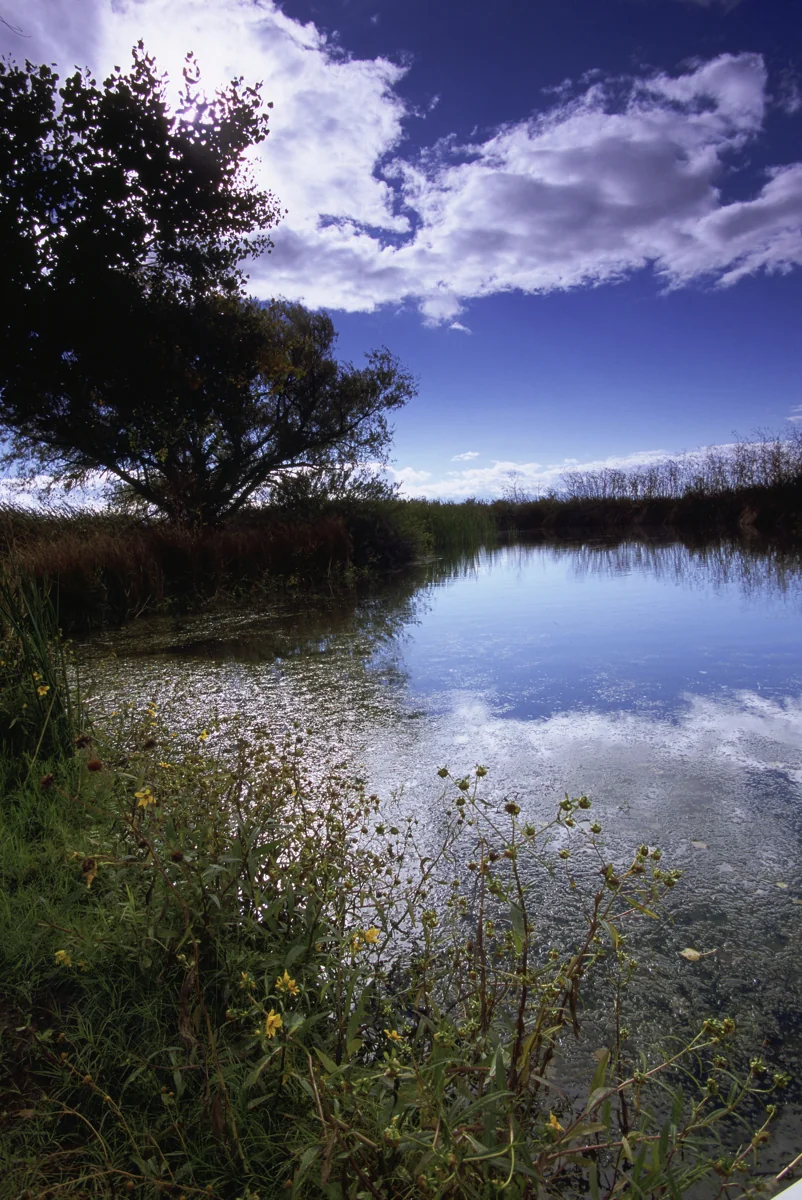
Explainer: A fish can leave evidence of its presence in water even when nobody sees or catches it. Genetic material released through cells, waste and other biological traces can be collected as environmental DNA, often shortened to eDNA.
Researchers filter samples and look for genetic markers associated with a target species, or use broader methods to examine multiple organisms. The approach can help survey hard-to-find species and add information to conventional field observations without requiring each animal to be captured.
A positive result has a precise meaning: the sample contained DNA matching the target under the test conditions. It does not necessarily establish that a living animal was at the exact sampling point. Water movement, waste or another source may carry DNA away from where it originated.
A negative result also requires care. DNA may be scarce, degraded or missed by the sampling method. The U.S. Geological Survey emphasizes repeated samples, validated tests and controls that check for contamination and interference in laboratory reactions.
That is why eDNA works best as part of a study design rather than as a stand-alone answer to every wildlife question. Combining it with habitat information and other surveys helps researchers distinguish a promising detection from a conclusion about distribution or abundance. Its constructive role is to widen the evidence available for conservation while keeping the limits of each measurement visible.