Albania’s Vjosa Valley joins the global biosphere network
The 2025 designation links protection of a freely flowing river with the lives and livelihoods of its valley communities.
News report
Albania’s Vjosa Valley became a UNESCO biosphere reserve in the designations announced on September 27, 2025. The recognition brings a river landscape into an international network that connects nature conservation, scientific study and sustainable livelihoods.
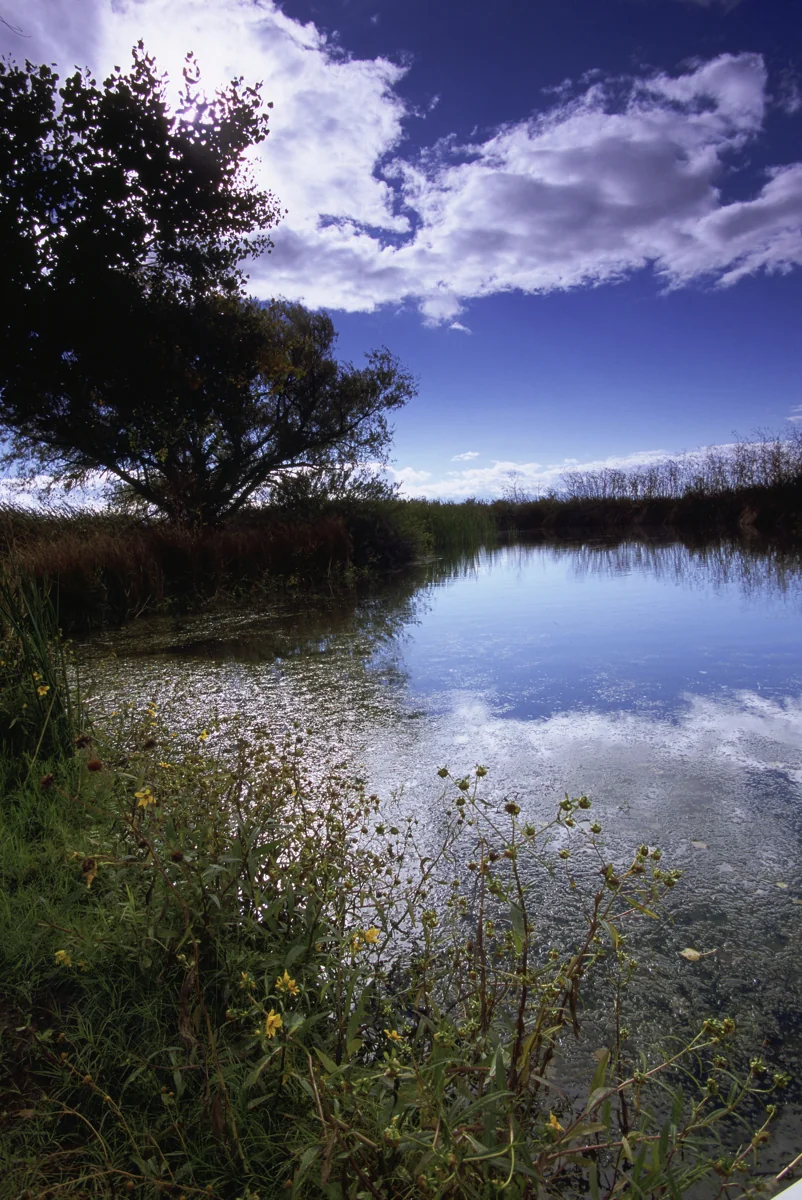
The Vjosa flows from Greece’s Pindus Mountains to the Adriatic Sea. UNESCO describes the river and its valley as one of Europe’s remaining wild river systems. Its uninterrupted flow continually reshapes channels, islands and floodplains, creating varied habitats rather than a fixed landscape.
The reserve covers 330,986 hectares, according to UNESCO’s profile, and includes communities whose lives are tied to the river’s seasonal cycles. Floodplain farming, fishing and pastoralism are among the activities described. The designation includes core, buffer and transition areas intended to accommodate different conservation and development functions.
More than 1,600 species have been recorded in the valley. Habitats include gravel bars, riverside forests, wetlands and coastal lagoons, with important areas for migrating birds. Maintaining the river’s natural flow helps sustain that changing mosaic and the ecological relationships within it.
The 2025 milestone recognizes an existing living landscape rather than promising an immediate ecological result. UNESCO’s account also identifies rafting, birdwatching and cultural tourism as developing activities. How such uses fit with river conservation and local knowledge will be part of the reserve’s continuing work.